
Atomic Bomb Survivor Tree Seeds Arrive at Chesterfield Arboretum
TL;DR: Seeds from ginkgo trees that survived the 1945 atomic bombing of Hiroshima arrived at Chesterfield County Arboretum in July as part of a global peace initiative.
Quick facts
- Who: Chesterfield County Arboretum; Lisa Ferrel (horticulturist); San Diego Botanic Garden; Green Legacy Hiroshima Initiative
- What: Ginkgo tree seeds from Hiroshima atomic bomb survivor trees are being cultivated for planting
- When: Seeds arrived July 2026
- Where: Chesterfield County Arboretum, Chesterfield, Virginia
The story
In July 2026, Chesterfield County Arboretum received seeds from ginkgo trees that survived the atomic bombing of Hiroshima on August 6, 1945. The seeds arrived through the Green Legacy Hiroshima Initiative, an international program launched in 2011 to distribute offspring from the survivor trees to partner institutions worldwide as symbols of resilience and peace.
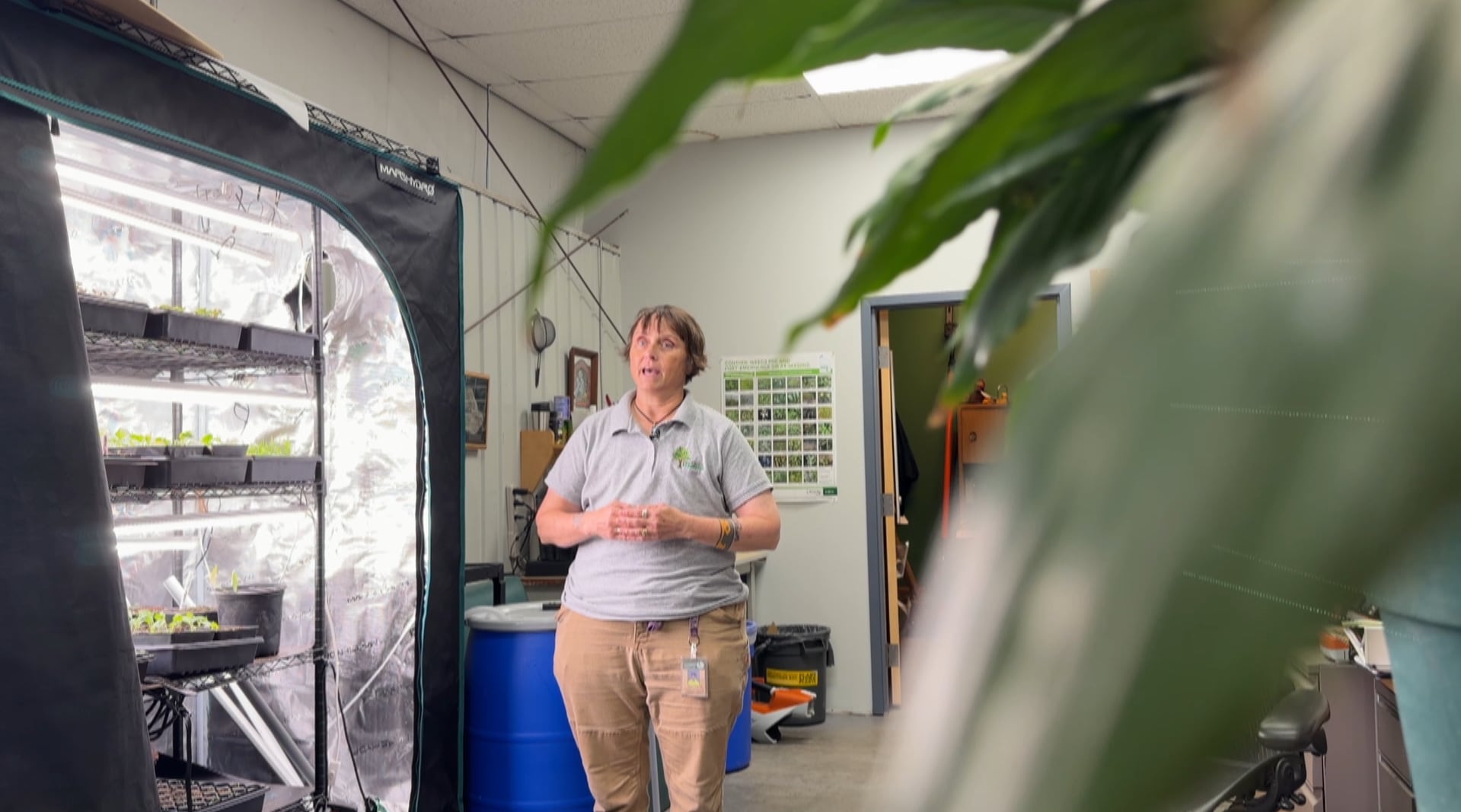
Lisa Ferrel, horticulturist at Chesterfield Building and Grounds, is overseeing the cultivation of the seeds. The seedlings are currently undergoing cold stratification in refrigeration for approximately 90 days to break dormancy. After this treatment completes, they will be potted in grow tents. Next year, once the seedlings are established, they will move to the arboretum's outdoor nursery area before eventually being planted permanently in the arboretum.
The ginkgo trees in Hiroshima are remarkable survivors. Approximately 170 ginkgos grew within 2,200 meters of the blast center in 1945. Despite having their branches burned and bark scorched by the intense heat, many sprouted new buds in the following year. One notable survivor, the Anraku-ji Temple Ginkgo standing 2,160 meters from the hypocenter, was over 300 years old at the time of the bombing and remains alive today, with the temple rebuilt around the tree to allow its continued growth.
"I feel that war affects us all and by planting these seeds and growing them, it will be a living monument to peace," Ferrel said. She added that the project provides an opportunity to educate visitors and create a space for reflection. "It is a great honor to have these seeds and be able to grow them out and it will be a great way to educate people, have a place for people to reflect and remember."
The Chesterfield County Arboretum, established in 2019 and accredited by ArbNet, is open to the public dawn to dusk year-round at no charge. It includes a roughly one-mile self-guided walk through the 580-acre government complex.
Key players
- Lisa Ferrel: Horticulturist at Chesterfield Building and Grounds managing the project
- Chesterfield County Arboretum: Recipient institution cultivating the survivor tree seeds
- San Diego Botanic Garden: Partner organization providing seeds through Green Legacy Hiroshima Initiative
- Green Legacy Hiroshima Initiative: International program distributing seeds from atomic bomb survivor trees globally
Why it matters: The ginkgo seedlings provide Chesterfield County residents with a tangible connection to global history and a living symbol of nature's capacity to endure and recover. The project also creates an educational resource where the community can reflect on the costs of nuclear war while celebrating human resilience.
Places
Development timeline
- 1945-08-06Atomic bombing of Hiroshima: Approximately 170 ginkgo trees survive near the blast center despite intense heat and radiation [source]
- 2011Green Legacy Hiroshima Initiative founded: International program established to distribute seeds from Hiroshima survivor trees globally as symbols of peace and resilience [source]
- 2019Chesterfield County Arboretum established: Arboretum receives ArbNet Level I accreditation and opens to public [source]
- 2026-07Hiroshima survivor tree seeds arrive at Chesterfield County Arboretum: Ginkgo seeds from atomic bomb survivors begin cold stratification process; seedlings will eventually be planted in arboretum [source]
Related links
Read the original at NBC12 / WWBT News →